
Few cartoon characters are as instantly recognizable as Popeye the Sailor Man, and few food symbols are as closely tied to a character as spinach is to Popeye. For generations, the image of Popeye gulping down a can of spinach to gain superhuman strength has been embedded in American pop culture. But how did this unusual association begin, and why has it endured for nearly a century?
The Birth of Popeye and His Early Popularity
Popeye was created by cartoonist Elzie Crisler Segar and first appeared in the comic strip Thimble Theatre in 1929. Initially, Popeye was a supporting character, but his rough charm, humor, and toughness quickly made him a fan favorite. By the early 1930s, Popeye had become the main star of the strip and a cultural icon.
At a time when America was dealing with the Great Depression, Popeye represented resilience and working-class strength. He was flawed, stubborn, and unconventional—but always victorious in the end. Spinach soon became the key element that symbolized this triumph.
Why Spinach? The Origins of the Idea

Spinach was not chosen at random. In the early 20th century, spinach was widely believed to be extremely rich in iron, largely due to a long-standing nutritional misconception. Although later research revealed that spinach’s iron content was exaggerated, it was still considered a health food packed with vitamins.
By giving Popeye his strength through spinach, Segar created a clever blend of humor and health messaging. Instead of relying on magic or weapons, Popeye gained power from eating vegetables—a message that resonated with parents and educators alike.
Spinach as a Symbol of Strength and Morality
In Popeye cartoons, spinach is more than a power-up—it represents doing the right thing. Popeye usually eats spinach only when pushed to the limit, often to protect Olive Oyl or stand up to bullies like Bluto. This made spinach a symbol of moral strength rather than brute force.
This framing helped make the message socially acceptable and even admirable: strength comes from healthy choices and inner resolve. For American audiences, especially children, spinach became associated with heroism and responsibility.
Impact on American Eating Habits
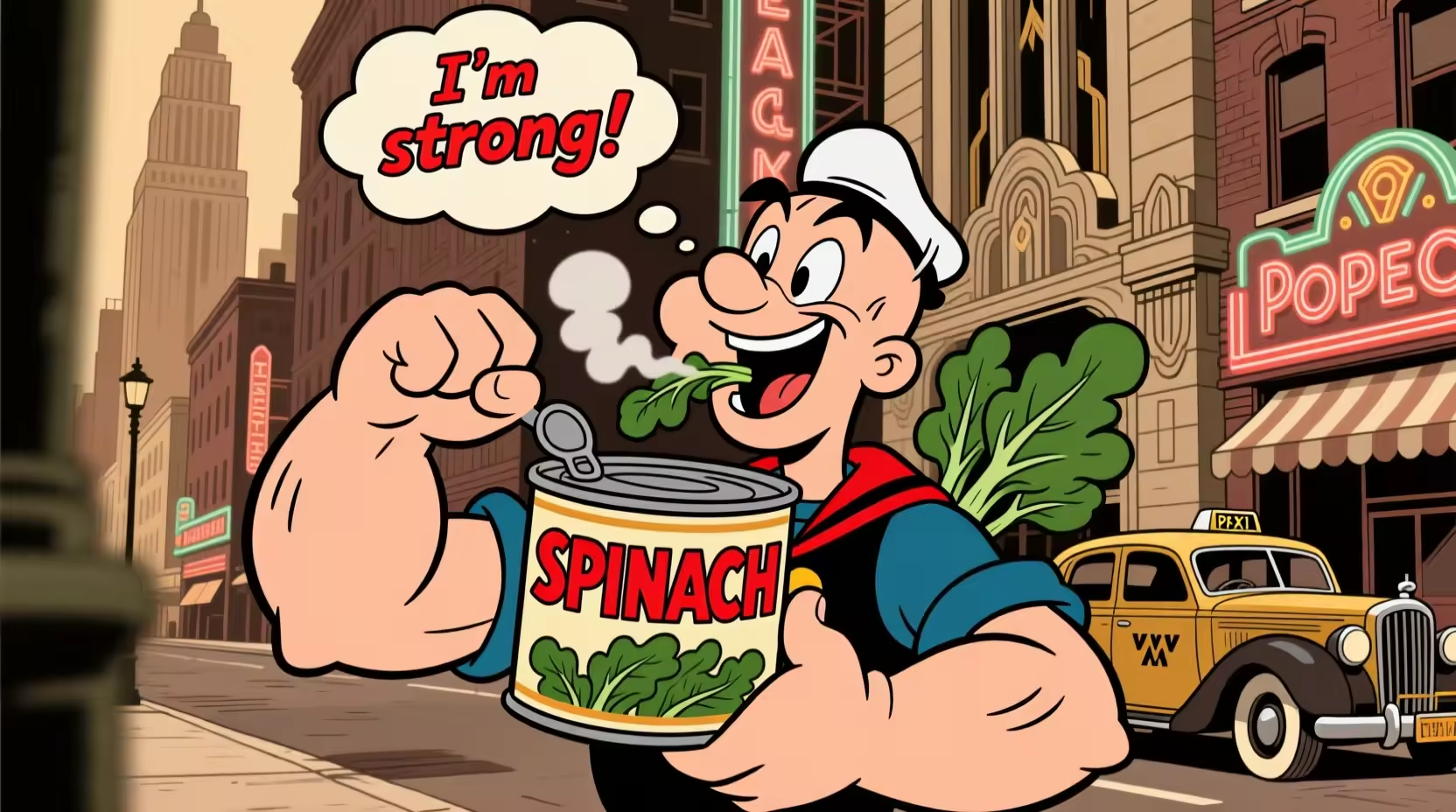
One of the most fascinating effects of Popeye’s spinach habit was its real-world influence. During the 1930s and 1940s, spinach consumption in the United States reportedly increased significantly, with many children eager to emulate their animated hero.
Popeye effectively became one of the earliest examples of media-driven nutritional influence. Schools, parents, and even government campaigns embraced the character as a positive role model for healthy eating. In some regions, statues of Popeye were erected to celebrate his role in promoting spinach consumption.
Spinach and Wartime America
During World War II, Popeye’s popularity reached new heights. The character was used in propaganda to promote strength, endurance, and American values. Spinach, already associated with vitality, fit perfectly into this narrative.
Popeye’s spinach-fueled victories symbolized the idea that ordinary Americans could rise to extraordinary challenges. The message was clear: inner strength, fueled by simple and honest choices, could overcome even the toughest obstacles.
Enduring Legacy in Pop Culture
Decades later, Popeye’s connection to spinach remains iconic. Even as nutritional science evolved and entertainment trends changed, the image stayed relevant. Modern audiences may view the spinach trope humorously, but its cultural impact is undeniable.
Popeye’s spinach is now shorthand for a sudden boost of strength or confidence. The phrase “eat your spinach” has become a cultural metaphor for doing what’s necessary to become stronger, both physically and mentally.

Why the Association Still Matters Today
In today’s media landscape, Popeye stands as an example of how simple storytelling can leave a lasting cultural imprint. His spinach habit reflects values of perseverance, health, and self-improvement—messages that remain relevant across generations.
Rather than fading into nostalgia, Popeye continues to represent a uniquely American blend of humor, optimism, and resilience.
Final Thoughts
Popeye’s association with spinach is more than a cartoon gag—it’s a cultural symbol shaped by history, nutrition myths, and timeless values. It turned a simple vegetable into a powerful icon of strength and integrity in American culture.
👉 If Popeye has been part of your childhood—or if his timeless message of strength, resilience, and humor still resonates with you today—this is the perfect time to celebrate that legacy. Explore a wide range of Popeye-inspired merchandise, collectibles, and apparel at: popeyemerch.store and bring a piece of this iconic sailor into your everyday life. From classic designs to modern fan favorites, each item captures the spirit of a character whose love for spinach and unbreakable will have inspired generations across American culture.
